Family Recipes and the Heart of Jamaican Food

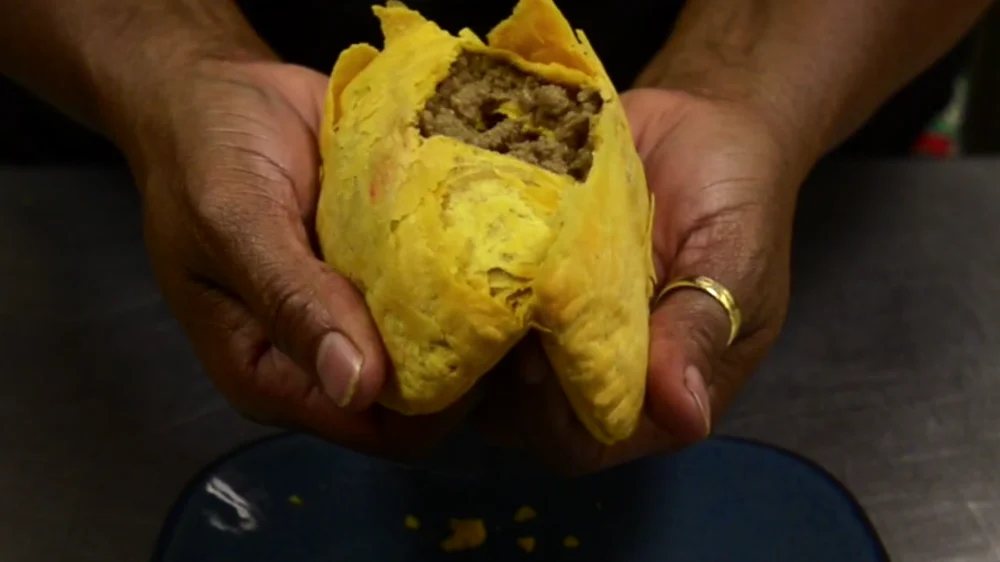
There are cuisines you can learn from a cookbook, and there are cuisines you absorb by standing close to the stove. Jamaican food belongs in the second category. Recipes matter, but memory matters more. So does the hand that seasons, the eye that judges color in the pot, and the habit of tasting before anybody else gets a spoon. The dishes that people think of first, jerk chicken, curry goat, ackee and saltfish, rice and peas, escovitch fish, are not just menu items. In many Jamaican families, they are markers of place, age, mood, and occasion.
A written recipe can tell you to add thyme, scallion, Scotch bonnet, pimento, garlic, and ginger. It cannot fully capture when a grandmother decides the pot needs another sprig of thyme because the coconut milk was thinner this week. It cannot tell you why one auntie puts a touch of browning in stew chicken while another relies on patient caramelization and calls anything else cheating. Those differences are not mistakes. They are the living center of the cuisine.
Family cooking is often discussed in sentimental terms, but the real story is more useful and more interesting. Recipes survive because they solve practical problems. They stretch a budget. They feed a crowd without fuss. They turn local ingredients into meals with depth and character. They create continuity in households where work is hard and time is limited. Jamaican food has always carried that kind of practical intelligence, shaped by African, Indigenous, European, Indian, and Chinese influences, then sharpened by geography, trade, and necessity.
The recipe is never just the recipe
Anyone who has spent time in a Jamaican kitchen knows that measurements can be slippery. A tablespoon may become “just enough.” A simmering time may become “until the gravy look right.” That frustrates beginners, but it reveals something important. Many family recipes are systems of judgment, not strict formulas.
Take rice and peas. The version served on a Sunday table is often treated as simple, yet anyone who cooks it regularly knows how much can go wrong. The rice can break if the liquid is too aggressive. The peas can stay too firm if they were old to begin with. The coconut milk can dominate or disappear. One cook wants each grain separate. Another prefers a softer, more cohesive pot, especially when there is plenty of gravy to soak up. Both cooks may insist theirs is the proper way because each is cooking toward a different memory.
That is a common pattern in Jamaican food. The recipe carries the bones of the dish, but the household defines the final form. Even within a single family, the same dish can shift according to parish roots, migration, income, and occasion. A weekday stew may be lighter on meat and heavier on sauce. A Christmas sorrel may run sharp and spicy in one home, sweeter and darker in another. Easter bun may be dense enough to slice thin or soft enough to eat almost like cake. None of these differences weaken the tradition. They prove it is alive.
What gets passed down, beyond ingredients
Food inheritance is not only about flavor. It is also about sequence, timing, and standards. In many families, younger cooks learn without formal lessons. They shell peas at the table, wash thyme, scale fish, or stir porridge while someone older talks. The real teaching happens in passing remarks. “Lower the fire.” “Don’t cover it yet.” “Taste that again.” “Your onion too thick.” Those comments shape instinct.
I have seen this most clearly with seasoning. In Jamaican cooking, seasoning is not a decorative step. It is the architecture of the dish. Meats are often rubbed and left to rest so the flavor reaches inside rather than sitting on the surface. Green seasoning, whether blended or finely chopped, does more than perfume. It establishes the base note that lets heat, salt, smoke, and sweetness work together. Families often treat their seasoning blends like signatures. One person leans heavily on scallion and thyme. Another adds more allspice and fresh ginger. Someone else slips in a little soy sauce, not because it is old-fashioned, but because migration and adaptation are part of the story too.
What gets passed down is also restraint. Scotch bonnet is central to many dishes, but the best cooks know how to use it with precision. Some want the full fruity burn cut through the sauce. Others bruise the pepper and let it perfume the pot without breaking. https://mylesarrq973.westhavenscope.com/posts/jamaican-food-dishes-every-caribbean-cuisine-fan-should-try-2 That is not just a heat preference. It is a decision about balance. The same applies to saltfish, to browning, to vinegar in escovitch, to sugar in plantains, to the amount of smoke a jerk pit should leave behind.
These judgments are usually learned by repetition. A child watches enough pots of stew chicken go from pale to golden to deep mahogany and begins to understand the target. They hear the change in the simmer, smell when the garlic has gone from raw to sweet, and notice how dumplings swell differently depending on the flour and the kneading. By the time they cook alone, they are carrying a body of knowledge that may never have been written down.
Sunday dinner and the discipline of abundance
If one meal shows how family recipes anchor Jamaican food, it is Sunday dinner. In many homes, Sunday has its own pace. The cooking begins early, often with more ambition than on any other day of the week. Rice and peas are expected. So is a substantial main, maybe chicken, goat, oxtail, fish, or pork depending on budget and preference. There may be steamed cabbage, fried plantain, macaroni pie, salad, or yam and banana on the side. Dessert is not guaranteed, but something sweet may appear later, even if it is only cake and tea.
This meal matters because it combines routine with performance. People are not only feeding themselves. They are proving care. They are showing what kind of cook they are, what they have learned, what they can afford, and what they refuse to compromise on. A well-made Sunday dinner can say all that without a word.
There is also discipline in it. Abundance in Jamaican home cooking is rarely careless. Good cooks know how to build flavor economically. Bones and trimmings are used in soups. Leftover rice becomes part of another meal. Saltfish stretches expensive fresh ingredients. A little salt beef can deepen a pot of cabbage or callaloo. Coconut milk, onions, thyme, garlic, and pimento do a great deal of work for ingredients that are not luxurious in themselves. That practical thrift sits at the heart of the cuisine and deserves more respect than it often gets.
The dishes that carry family identity
Some foods announce themselves as personal the moment they hit the table. Jamaican black cake is one of them. Almost every serious baker has a view on fruit soaking time, the amount of wine or rum, how dark the browning should be, and whether the cake should lean dense or light by local standards. Ask two siblings for their late mother’s recipe and you may get the same ingredient list but different instructions, each person convinced that memory favors them.
Pepper pot soup works the same way, as do mannish water, rundown, and steamed fish. These are dishes with a framework, but the household fills in the details. One family’s rundown may taste more of coconut and black pepper. Another’s may be brighter with tomato and thyme. One cook fries fish first for body and depth. Another poaches directly in the sauce. The result is that Jamaican food remains recognizably itself while leaving room for private dialects.
Even jerk, perhaps the most globally recognized Jamaican preparation, behaves this way at home. Restaurant jerk often chases intensity. Home jerk can be subtler, and sometimes more satisfying for it. Some families use a wet marinade, some a drier paste, some a mixture that evolves every time it is made. Pimento wood is ideal, but not everyone has access to it, especially in the diaspora. Good cooks adapt. They work with charcoal, spice ratios, smoke levels, and cooking times to get close to the flavor memory they trust. Purists may object, but migration has always required negotiation.
Migration changed the pantry, not the soul
You cannot talk honestly about Jamaican family recipes without talking about movement. Jamaicans have carried their food traditions across the Caribbean, to the United Kingdom, the United States, Canada, and far beyond. Once families move, ingredients change. Scotch bonnet may be available one week and absent the next. Callaloo may need to be replaced with spinach or amaranth. Fresh pimento leaves are difficult to find in many places. Breadfruit, proper yellow yam, and certain small fish can be seasonal, expensive, or simply inaccessible.
That might sound like a threat to authenticity, but in practice it often leads to sharper cooking. People learn what truly matters in a dish and what can flex. A diaspora cook may use canned coconut milk but still insist on fresh thyme and scallion. They may buy frozen ackee and build the rest of the breakfast with great care. They may make festival with all-purpose flour because that is what is on hand, while guarding the texture with almost scientific attention. What survives is the logic of the cuisine, not a museum display.
The emotional role of these adaptations should not be underestimated. For many families abroad, Jamaican food is one of the fastest ways to restore a sense of home. A pot of soup on a Saturday, the smell of curry in the afternoon, the sight of sorrel at Christmas, these things steady people. They turn a cold apartment in Toronto or London into a place where memory can breathe. Often the family recipe becomes more precious after migration because it holds what daily life no longer naturally provides.
Why seasoning is the language of the kitchen
People often describe Jamaican food as bold, which is true but incomplete. The strength of the cuisine is not loudness alone. It is layering. A well-seasoned dish has movement. First you get aromatics, then savory depth, then warmth from pepper, then sweetness or smoke, then the finish of herbs or acid. That progression is what separates thoughtful cooking from food that is merely hot or salty.
Family recipes teach that language early. A parent or grandparent may not explain the chemistry, but they understand the effect. Browning adds color, slight bitterness, and a distinct cooked sweetness. Fresh thyme sharpens rich stews. Pimento rounds the flavor and links sweet and savory in a way few spices can. Scotch bonnet contributes not just heat but fruitiness. Coconut milk softens edges while carrying spice. Vinegar in escovitch is not there to make the fish sour. It creates contrast and preserves crispness in the vegetables if handled properly.
That sense of balance explains why good Jamaican food can taste rich without feeling clumsy. Even fried dishes often rely on acid, pepper, and fresh herbs to keep them lively. A plate of escovitch fish with bammy can feel substantial and bright at once. Curry goat, when properly made, should be full-bodied but not muddy. The curry blend itself matters, of course, but so does the point at which the curry powder is “burned” in fat to wake it up without scorching. Family knowledge lives in these moments.
The danger of flattening Jamaican food into clichés
Outside Jamaican communities, the cuisine is often reduced to a handful of dishes and one-note assumptions about spice. That does a disservice to its range. Home cooking includes porridges, soups, ground provisions, patties, fritters, teas, steamed vegetables, bakes, and desserts that never make the tourist brochures. It includes fasting traditions and everyday shortcuts. It includes careful fish cookery and sweets built around coconut, ginger, cassava, and tamarind. It includes subtle dishes that do not shout for attention.
Family recipes protect that breadth. They preserve the dishes that commerce ignores. A restaurant may sell jerk chicken every day because demand is obvious. A grandmother may keep alive a less fashionable dish because it fed her own mother’s household or because it belongs to a certain time of year. That is one reason oral food traditions matter so much. They keep the cuisine from being flattened into what is easiest to market.
They also preserve standards. Jamaican food done carelessly can become greasy, oversalted, excessively sweet, or dominated by pepper for its own sake. Family cooks are often the ones who call that out. They know that ackee should be handled gently so it does not mash into paste. They know that fried plantain should caramelize, not collapse into oil. They know soup needs body but not heaviness. These are not minor technicalities. They are the difference between food that merely resembles the dish and food that honors it.
How recipes change without being lost
Every family recipe changes over time, whether people admit it or not. Health concerns, income shifts, ingredient availability, and changing schedules all leave marks. The amount of salt may come down. Pressure cookers may shorten processes that once took hours. Younger cooks may write down measurements that their elders never used. A recipe that once fed ten may now be scaled for four. None of that automatically weakens the dish.
The challenge is knowing what can be altered and what should be protected. In my experience, the most successful updates keep three things intact: the dish’s core flavor balance, its texture, and its social function. If you reduce oil in a stew but still develop the seasoning properly, the result can remain recognizably true. If you make a lighter sorrel drink but preserve the interplay of hibiscus, ginger, clove, and sweetness, it still carries its identity. If you shorten a process but lose the texture everybody expects, the recipe may survive on paper while disappearing in spirit.
For families trying to preserve these dishes across generations, a few habits help:
- Write down more than ingredients. Note texture, color, pan size, and how the dish should smell at key stages.
- Record substitutions separately from the original. That keeps adaptation honest.
- Cook side by side at least once with the person who knows the dish best.
- Taste with intention and name what you notice, especially salt, heat, sweetness, smoke, and acidity.
- Keep the stories with the recipe, because memory often explains method.
Those details matter because many heritage dishes depend on context. A younger cook may think the recipe is missing steps when, in fact, the older cook assumes certain knowledge. Writing “cook until done” tells an experienced person one thing and a beginner almost nothing.
The table as archive
Food historians often talk about documents, trade routes, and agricultural systems, and those are essential. But the family table is also an archive. It records who had access to what, who learned from whom, who moved away, who came back, and what flavors people refused to surrender. A plate of jamaican food can carry colonial history, agricultural reality, religious practice, class aspiration, and plain household preference, all at once.
You can see this in holiday cooking. Christmas in Jamaican households often means sorrel, black cake, ham, and rich, generous meals that signal festivity. Easter brings bun and cheese, a pairing so familiar that it can feel inevitable, yet each house still handles its bun differently. National celebrations, funerals, christenings, and informal Sunday gatherings all have food codes attached to them. Family recipes hold those codes in place. They tell people what belongs where.
At the same time, the table is where innovation gets tested. Someone adds a new ingredient picked up abroad. Another person objects. Everyone eats. A verdict emerges. If the dish satisfies, the recipe expands. That is how cuisines stay rooted without becoming rigid.
What younger cooks should pay attention to
The best way to inherit Jamaican cooking is not to chase perfection on the first attempt. It is to learn how the food behaves. Watch what happens to onions as they soften in oil. Notice the smell when curry blooms. Learn how long thyme keeps giving flavor before it starts to muddy a dish. Observe how coconut milk thickens differently depending on brand or freshness. Pay attention to the point at which dumplings are cooked through but still tender.
It also helps to ask better questions. Instead of asking only “How much?” ask “What should I look for?” Instead of “How long?” ask “What tells you it is ready?” Experienced cooks often answer those questions with more precision because that is how they actually think. They may not know the exact number of teaspoons, but they know the sound of the pot when the liquid has reduced enough.
Most of all, younger cooks should understand that family recipes are not relics. They are responsibilities. You do not honor them by freezing them untouched. You honor them by cooking them well, understanding them deeply, and passing them on with clarity and respect.
The heart of the matter
At its best, Jamaican food is a conversation between memory and technique. Family recipes keep that conversation honest. They remind us that flavor is built through attention, not performance, and that the soul of a dish often lives in choices too small for a printed recipe to capture. A pinch more pimento. A longer rest in the seasoning. A gentler hand with the ackee. A decision to wait another ten minutes before serving because the gravy is almost there.
That is why the food endures. Not because it is famous, though some of it is. Not because it is trendy, though it often becomes so. It endures because families continue to make judgments at the stove and teach those judgments to the next person standing nearby. In that exchange, recipe becomes culture, and culture becomes dinner.
The heart of Jamaican food has always been there, in the hand that tastes, adjusts, and serves.
Reggae Pot Jamaican Grill
2243 S Monaco St Pkwy #104
Denver, CO 80222
+1 720-410-2956
FAQ About jamaican food
What is the best Jamaican food to try in Denver?
The best choice depends on your tastes. Popular options include jerk chicken, curry goat, slow-cooked oxtail, and savory patties. Reggae Pot lists these dishes on its menu, with sides such as rice and peas and plantains. Ask the Denver team about current availability and spice levels.
Is Jamaican food very spicy in Denver?
Heat varies by dish and preparation. Jerk seasoning often includes scotch bonnet peppers alongside herbs and allspice, while other dishes may have gentler seasoning. Ask about the heat of the specific dish and any sauce before ordering.
What are some popular Jamaican snacks?
Jamaican patties are a popular snack made with flaky pastry and savory meat or vegetable fillings. Other options include fried dumplings and festival, a sweet fried dough often served with savory dishes. Availability varies, so check the current menu when ordering.
Ends · BROOKSKXVC515